Whether you’re upgrading a home or designing a new business space, flooring plays a huge role in how your place looks and feels.
Good flooring can add value, boost comfort, and even improve safety. With so many materials and styles available, choosing the right flooring may feel overwhelming. But don’t worry-this article will guide you through expert flooring solutions tailored for both residential and commercial needs.
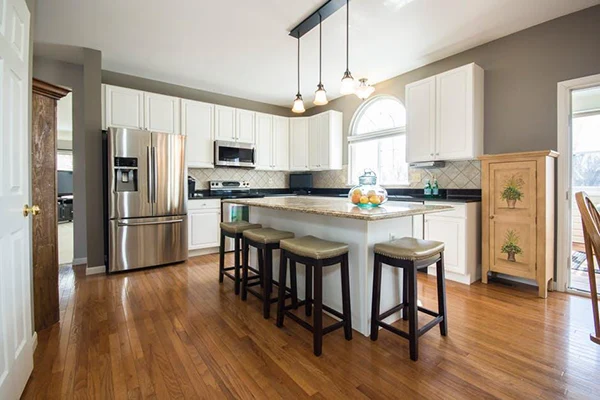
From hardwood and tile to vinyl and carpet, we’ll break down your options and help you make smart decisions.
Understanding Flooring Needs: Residential vs. Commercial
Before choosing a floor, it helps to understand the different needs of homes and businesses.
Residential Flooring
In homes, flooring needs vary by room. Bedrooms may need something soft and quiet, while kitchens and bathrooms require water-resistant surfaces. Most homeowners look for comfort, style, and easy upkeep. Durability is important too, especially in homes with kids or pets.
Commercial Flooring
Commercial spaces need floors that can handle heavy foot traffic and frequent cleaning. In offices, hotels, schools, and shops, the focus is on strength, safety, and design that fits the brand.
Some industries need special features like anti-slip surfaces or sound-reducing materials. Commercial flooring also has to follow local codes and standards.
Why the Right Flooring Matters
Flooring is more than just what you walk on-it affects the whole atmosphere of a space. It can make rooms feel warm and inviting or sleek and professional.
For homes, comfort and beauty are often top priorities. In commercial settings, durability and ease of maintenance are key. Choosing the right flooring helps you:
- Create a safer environment
- Save money on repairs and replacements
- Increase the overall appeal of your property
- Match your interior design theme
By investing in quality flooring, you’re building a strong foundation for long-term satisfaction.
Types of Residential Flooring Options
There are many types of residential flooring available today. Each option has its benefits depending on your style, budget, and how the space will be used. Below are some of the most common types of floors used in homes and what makes them special.
Hardwood Flooring
Hardwood is timeless and adds value to any home. It’s strong and beautiful, and comes in many shades and grains. Oak, maple, and cherry are popular choices. You can sand and refinish hardwood several times, making it last for decades.
The pros of hardwood include a classic and warm appearance, a long lifespan, and the ability to be refinished. However, it tends to be more costly and is not ideal for moisture-prone areas.
Laminate Flooring
Laminate looks like wood or stone but costs less. It’s made of layers with a tough outer coating that resists scratches and dents.
Laminate is easy to install and works well in living rooms and bedrooms. It is affordable, scratch-resistant, and easy to clean. On the downside, it’s not waterproof and can feel harder underfoot than real wood.
Vinyl Flooring
Vinyl is one of the most flexible options. It comes in planks, tiles, or sheets, and many styles look just like wood or stone. It’s waterproof and soft underfoot, perfect for kitchens and bathrooms.
Vinyl is water-resistant or waterproof, budget-friendly, and easy to maintain. However, it can tear or dent, and cheaper versions may wear quickly.
Carpet Flooring
Carpet is soft, warm, and cozy-great for bedrooms and living areas. It also helps reduce noise. There are many types of carpet, from plush to looped, and many colors to choose from. Carpet is comfortable, reduces sound, and offers many design options. But it stains easily and needs regular cleaning.
Tile Flooring
Tile is great for areas where water is a concern. Ceramic and porcelain tiles are tough and stylish.
You’ll often find tile in kitchens, bathrooms, and laundry rooms. Tile is water-resistant, durable, and easy to clean. However, it can feel cold and hard underfoot and may crack if heavy objects fall on it.
Popular Commercial Flooring Choices
Commercial flooring has to stand up to much more use than residential floors. It needs to be strong, safe, easy to clean, and sometimes stylish enough to reflect your brand. Here are several great options used in offices, schools, shops, and other commercial buildings.
Commercial Vinyl Composition Tile (VCT)
VCT is widely used in schools, hospitals, and offices. It’s low-cost and easy to maintain. It stands up well to daily wear but needs regular waxing and polishing. It is budget-friendly, durable, and easy to replace tile by tile. The downside is that it requires maintenance and may not be as stylish as other options.
Luxury Vinyl Tile (LVT)
LVT is a stylish upgrade from VCT. It comes in many patterns and textures that mimic stone or wood. It’s waterproof, quiet underfoot, and great for retail, offices, and restaurants.
LVT is attractive, durable, and easy to clean, making it great for high-traffic areas. However, it can be more expensive than VCT and isn’t as thick as some alternatives.
Commercial Carpet Tiles
Carpet tiles are perfect for offices and hotels. They are easy to install, and you can replace one tile at a time if damaged. They also reduce noise and add warmth.
These tiles are soft and quiet, come in modular designs, and offer many styles. On the downside, they are not suited for wet areas and require regular vacuuming.
Polished Concrete
Polished concrete is popular in industrial settings and trendy retail spaces. It’s sleek, strong, and modern. It also reflects light, brightening up large rooms.
The benefits of polished concrete include high durability, low maintenance, and a modern look. However, it can feel hard and cold and may be slippery when wet.
Rubber Flooring
Rubber flooring is common in gyms, hospitals, and labs. It’s soft, slip-resistant, and absorbs impact. It also comes in bright colors and patterns. This type of flooring is safe and soft, absorbs sound, and is long-lasting. However, it can be expensive and has a strong smell at first.
Key Factors to Consider When Choosing Flooring
Picking the right flooring is more than just choosing a color or style. It’s important to think about how the floor will be used, who will use it, and what kind of wear it needs to handle. Here are a few key points to help guide your decision.
Durability
Durability is one of the most important factors when selecting flooring. High-traffic areas such as entryways, kitchens, hallways, and commercial spaces like restaurants or offices see a lot of movement every day. In these areas, you’ll want a flooring material that can handle constant use without showing signs of wear.
Maintenance
Some flooring types are easier to clean and maintain than others. If you don’t have a lot of time to dedicate to floor care, consider a low-maintenance option. Tile, vinyl, and laminate are simple to clean with just sweeping and occasional mopping. They resist stains and can handle daily messes.
Moisture Resistance
Water damage is a major issue in some parts of the home or workplace. Areas like bathrooms, kitchens, laundry rooms, mudrooms, and basements often deal with spills, splashes, or even flooding. For these places, moisture resistance is essential.
Comfort and Safety
How a floor feels under your feet matters, especially in homes, gyms, or businesses where people stand for long periods.
Comfort is particularly important in areas like bedrooms, family rooms, and playrooms, where people walk barefoot or sit on the floor. Carpet and cork are soft and cozy, making them good choices for these spaces.
Design and Style
Your floor plays a big role in the overall style of your home or commercial space. It sets the tone for the design and helps tie the entire look together.
Whether you prefer something rustic and natural like distressed hardwood, or modern and sleek like polished concrete or stone-look tile, there’s a flooring option to suit every taste.
Budget
Budget is often one of the first things people think about when shopping for flooring. Luckily, there are great options for every price range. Whether you’re upgrading a small room or outfitting an entire office building, you don’t have to overspend to get high quality.
Eco-Friendly Flooring Choices
If you’re trying to reduce your impact on the planet, flooring can play a part in that. There are several green options that look great, last long, and help protect the environment.
Bamboo
Bamboo flooring is becoming more popular thanks to its sustainability and attractive look. Bamboo is a type of grass-not wood-that grows very fast. It can reach full maturity in just 3 to 5 years, compared to hardwood trees, which can take decades.
Cork
Cork flooring is another excellent green option. It’s made from the bark of the cork oak tree, which naturally regrows after harvesting, so the tree doesn’t need to be cut down. This makes cork one of the most renewable materials available for flooring.
Recycled Materials
Flooring made from recycled materials is an excellent way to reduce waste and support a circular economy. Some vinyl and carpet tile manufacturers now offer products made from recycled plastic bottles, old carpet fibers, rubber, or even reclaimed wood.
Working With Flooring Experts
Choosing a floor isn’t always easy, especially with so many options. That’s why working with a flooring expert can save you time, stress, and even money.
Flooring experts can help you choose the right material, stick to your budget, and plan your project timeline. They know which materials work best for each room and use. They can also point you toward best priced flooring that meets your needs without cutting corners.
Experts offer helpful advice for both homes and businesses. Whether you’re replacing the floor in your kitchen or choosing materials for a new office, their experience helps avoid costly mistakes and delays. Quality flooring backed by professional advice gives you the best value.
Flooring Trends to Watch
Want to stay stylish and up-to-date with your flooring choices? Here are some of the most popular and practical flooring trends in both residential and commercial settings:
Wide Plank Hardwood
Wide plank hardwood flooring continues to rise in popularity for its ability to create an open, airy feel. Unlike traditional narrow planks, wide planks minimize seams and create a smoother, more expansive look-ideal for open-concept layouts and modern interiors.
Gray and Neutral Tones
Neutral flooring tones, especially shades of gray, beige, and greige (a blend of gray and beige), are here to stay. These shades serve as a versatile backdrop that complements virtually any design palette-whether your decor style leans rustic, modern, coastal, or industrial.
Textured Finishes
Smooth finishes are giving way to textured surfaces that add dimension and practical benefits to floors. From wire-brushed hardwood and hand-scraped finishes to embossed vinyl planks, these textures bring a rustic and natural feel while serving a functional purpose-camouflaging dust, dirt, and scratches.
Mixed Materials
Mixing different types of flooring within a single space is becoming a popular trend, especially in open layouts.
For example, you might combine ceramic tile in the kitchen with hardwood or luxury vinyl in the living area, using borders or patterns to transition between materials smoothly.
Waterproof Laminate
Laminate has always been a favorite for its affordability and wood-like appearance, but now it’s getting a high-performance upgrade.
Waterproof laminate flooring combines the realistic textures of hardwood with full water resistance, making it ideal for households with kids, pets, or high moisture areas like kitchens, bathrooms, and laundry rooms.
Mistakes to Avoid
Choosing flooring is a big decision, and it’s easy to make mistakes if you’re not careful. Here are a few common problems and how to avoid them.
- Skipping subfloor prep
- Choosing the wrong floor for the space
- Ignoring maintenance needs
- Not checking warranty terms
- Focusing only on price, not quality
Avoiding these common mistakes will help your flooring last longer and look better.
The Right Floor Makes All the Difference
Whether you’re remodeling your home or upgrading a business space, choosing the right flooring is key. With so many styles and materials available, it’s easier than ever to find something that fits your needs and budget. From durable tile for a busy kitchen to sleek vinyl for an office lobby, expert flooring solutions provide the perfect blend of function and beauty.
Ready to upgrade your space? Talk to a flooring specialist today and explore the options that best suit your residential or commercial needs.
Did you find this article helpful? Browse around the rest of this section for more great travel tips.