Choosing the right label for your product packaging might seem like a small decision, but it can have a big impact. Whether you’re packaging drinks in glass bottles, cosmetics in plastic tubs, or dry goods in cardboard boxes, the type of label you choose affects durability, appearance, and even customer experience. Different materials behave differently, and matching the label to the surface is key to a professional, long-lasting result.
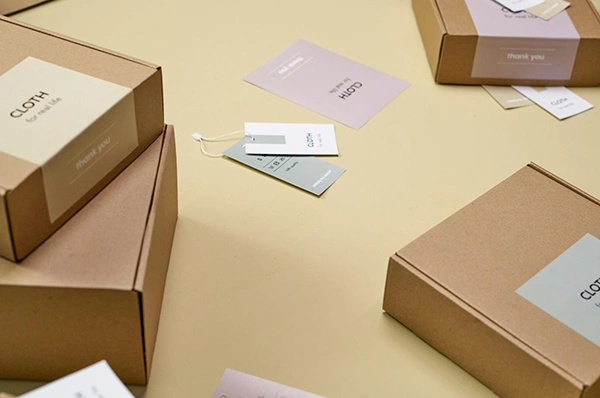
In this guide, we’ll look at the best label types for three of the most common packaging materials: glass, plastic, and cardboard. We’ll explore how each surface interacts with adhesives, and what labelling materials work best for different settings—whether you’re storing items in the fridge, shipping them long distance, or displaying them on shop shelves.
Labels for Glass Packaging
Glass is a smooth and non-porous surface. That makes it ideal for label adhesion, but only if you use the right adhesive and finish.
Permanent adhesive labels are the most common choice for glass. They’re designed to stay in place even with condensation, temperature shifts, or handling. This makes them ideal for things like wine bottles, condiment jars, and cosmetic containers. However, for items like candles or refillable jars, removable labels may be preferred to allow consumers to clean and reuse the container.
Material-wise, polypropylene or polyester labels work well on glass. These synthetic materials resist moisture and can take on a glossy or transparent look, ideal for branding. A clear label gives a “no-label” appearance, which is popular in high-end product lines.
For food and drink, it’s also important to check that your labels are fridge- or freezer-safe, especially if the product will be stored at low temperatures. Cold environments can cause poor-quality adhesives to fail, so opt for ones that are made for chillers or deep freeze conditions if needed.
Labels for Plastic Packaging
Plastic is a more complicated surface to label. There are many different types of plastic, and some are more receptive to adhesives than others.
Low-energy plastics—like polyethylene and polypropylene—can be challenging. They often require specialist high-tack adhesives designed specifically for hard-to-stick surfaces. Without the right adhesive, labels can peel or curl at the edges over time, especially when exposed to moisture, oils, or physical handling.
For plastic containers like shampoo bottles or household cleaning products, polypropylene labels are again a solid choice. They are resistant to water, oils, and many chemicals. In contrast, paper labels might absorb moisture and lose quality over time when used on plastic packaging.
If the product will be squeezed—such as a lotion bottle or soft food pouch—you’ll want to use a flexible label material that won’t wrinkle or peel. Look for polyethene labels that are designed to stretch slightly and maintain adhesion during use.
Also, consider the finish. A matte label may work well for a natural or eco-friendly look, while a gloss finish suits high-impact retail products.
Labels for Cardboard Packaging
Unlike glass or plastic, cardboard is a porous surface. That changes how adhesives behave, and also impacts how printed labels appear.
Paper labels are most commonly used for cardboard packaging. They’re cost-effective, easy to print on, and stick well to the surface, especially when using a permanent adhesive. These are ideal for shipping boxes, product sleeves, and retail cartons. You can also choose recycled label materials if your brand values sustainability.
Because cardboard can absorb moisture, you’ll want to ensure that any label used in environments prone to humidity is moisture-resistant. This is especially important for boxes in cold storage, or if your products will be stored in a warehouse where conditions may vary.
When branding matters, you can upgrade to a coated paper label for better print sharpness and a smoother finish. Thermal labels may also be used for shipping and inventory tracking—perfect for warehouses or logistics businesses.
Comparing Adhesives: Permanent vs Removable
No matter the surface, the adhesive is just as important as the label material. Broadly speaking, you’ll be choosing between permanent, removable, or repositionable adhesives.
- Permanent adhesives offer a strong, long-lasting bond and are ideal for products that won’t need the label removed.
- Removable adhesives are better for jars, containers, or packaging that’s meant to be reused or recycled without residue.
- Repositionable adhesives allow temporary placement and adjustment before sticking firmly—useful in hand-labelling or alignment-critical jobs.
Matching the adhesive to the packaging material ensures better durability and prevents consumer complaints or label failure.
Printing Options and Label Compatibility
Another thing to consider is how you’ll be printing your labels. Not all label materials are compatible with all printers.
- Inkjet-compatible labels are suited for small-batch, full-colour prints.
- Laser-compatible labels offer better durability and precision.
- Thermal transfer labels are ideal for long-lasting text or barcodes.
- Direct thermal labels work well for short-term use like shipping labels.
If you’re using a label printer like a Zebra or Brother machine, always check that the labels are the right size, shape, and core diameter for your device. Label rolls are not always universal.
Why Matching the Label to the Surface Matters
The right label ensures your product looks professional, complies with regulations, and stands up to its intended use. A label that peels off in the fridge, smudges during delivery, or fades over time can hurt brand reputation and lead to unnecessary returns or repackaging costs.
Label Metrics considers the surface material—whether it’s glass, plastic, or cardboard—you can choose a label that not only sticks well but also complements your product’s overall appearance and functionality.
Final Thoughts
There’s no one-size-fits-all label. Each material behaves differently, and your packaging surface will dictate the best choice. From adhesive strength to moisture resistance, every detail plays a role in how well the label performs.
By understanding the unique needs of glass, plastic, and cardboard packaging, you can make more informed choices that result in cleaner, longer-lasting labelling—whether for retail, logistics, or display.
If you’re unsure where to start, look for sample packs or request advice based on the exact surface and use case. A well-matched label isn’t just a finishing touch—it’s part of your product’s success.